
Apple’s Budget MacBook: A Radical Internal Shift
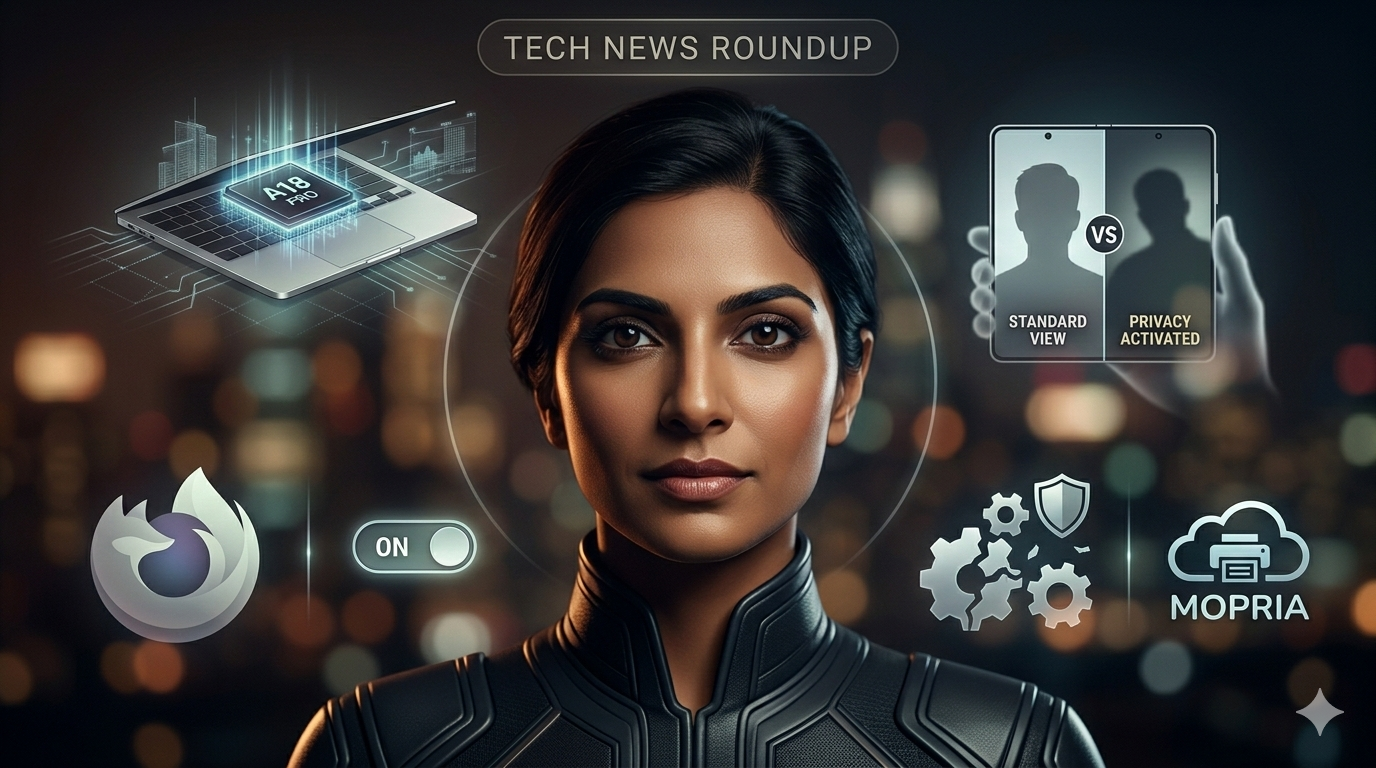
Apple is reportedly preparing a “low-cost” MacBook that breaks from its traditional M-series silicon strategy.According to internal macOS code leaks and analyst Ming-Chi Kuo, this new entry-level machine will likely be powered by the A18 Pro—the same chip found in the iPhone 16 Pro.
- The Hardware Trade-off: By utilizing an A-series chip, Apple can design a thinner, fanless chassis that generates less heat than an M-series equivalent. However, the move comes with limitations: the A18 Pro’s USB controller lacks Thunderbolt support, meaning users may be limited to standard USB-C speeds (10Gb/s) and a single external display.
- The Cost Challenge: While Apple is targeting a price point between $599 and $749 to compete with Chromebooks, rising component costs are a hurdle. TSMC has reportedly increased fabrication prices for sub-5nm chips by up to 10%, and the high demand for memory in AI data centers has driven up the price of the LPDDR5x RAM required for Apple Intelligence.
- Target Audience: The device is expected to feature a 13-inch display and at least 8GB of RAM, positioning it as a primary choice for the education and enterprise sectors.
Samsung Galaxy S26 Ultra Debuts “Privacy Display”
Samsung has officially unveiled the Galaxy S26 series, with the S26 Ultra taking center stage. The standout innovation is the world’s first integrated Privacy Display, which aims to replace the need for third-party stick-on privacy films.
- Pixel-Level Privacy: Unlike traditional films that darken the screen, Samsung’s tech works at the pixel level to disperse light. When activated, it limits visibility from side angles—making it impossible for “shoulder surfers” in cafes or on transit to see your screen—while maintaining full brightness and clarity for the person directly in front of it.
- Proactive AI Protections: The S26 series introduces “Now Nudge,” an agentic AI that anticipates user needs, such as automatically suggesting trip photos when a friend asks for them in a chat. To safeguard this data, new Privacy Alerts use machine learning to notify users in real-time if an app tries to access sensitive data like location or call logs unnecessarily.
The “Return to Xbox” Under New CEO Asha Sharma
In one of the biggest leadership shakeups in gaming history, Asha Sharma has taken over as CEO of Microsoft Gaming following Phil Spencer’s retirement after 38 years at the company.
- A Strategy Shift: Sharma, an AI executive formerly with Meta and Instacart, enters at a time when Xbox is pivoting toward a more “agentic” ecosystem. While Spencer was known as a “gamer’s CEO,” Sharma’s background suggests a focus on platform scaling and AI integration.
- Leadership Structure: To balance technical growth with creative output, Matt Booty has been promoted to Chief Content Officer, overseeing massive franchises like Call of Duty and Halo.
- Addressing Pain Points: This transition coincides with Microsoft’s new pledge to address “Windows 11 pain points.” Following feedback from the community, Windows head Pavan Davuluri confirmed the company is scaling back some forced AI integrations (like those in Notepad and Paint) to focus on core performance and reliability.
Firefox 148: The “AI Kill Switch” Arrives
Mozilla has officially released Firefox 148, distinguishing itself from Edge and Chrome by offering a “master toggle” to opt-out of the AI era.
- The “Block AI Enhancements” Toggle: Found under Settings > AI Controls, this feature allows users to disable all generative AI tools with one click. This includes the sidebar chatbot, AI-enhanced tab grouping, and PDF alt-text generation.
- User Trust: Mozilla explicitly designed this toggle to be “sticky,” meaning it will not be reset by future browser updates. This move follows significant community backlash regarding “feature bloat” in modern browsers.
Windows 11 Update: The Legacy Printer Driver Phase-Out
Microsoft’s latest updates for Windows 11 (24H2 and 25H2) have confirmed the beginning of the end for legacy V3 and V4 printer drivers.
- The Security Move: These older drivers often run at the kernel level, creating vulnerabilities that hackers frequently exploit. Microsoft is moving the OS toward the Mopria/IPP standard, which allows printers to work without manufacturer-specific driver software.
- Impact on Business: While home users can easily upgrade, small businesses and schools using enterprise-grade hardware from the early 2010s may face “bricked” functionality as Microsoft pushes for a more secure, driver-less printing environment.
Leave a Reply